PostgreSQL voor digitale soevereiniteit

AI-generated

  • Author

    AMIS Conclusion

    |
  • Event

    PostgreSQL Day Lowlands 2026

    |
  • Publish Date

    19 October, 2026

    |
  • Share

control over data, digital independence and cloud costs 

AMIS attends PostgreSQL Day Lowlands 2026: 
“Postgres is mostly reliable and boring.” A striking statement at PostgreSQL Day Lowlands 2026 in Utrecht. But for organisations that depend on their data every day, reliability is invaluable. Specialists from AMIS Conclusion attended the conference and returned with valuable insights into digital sovereignty, cloud costs and the impact of AI.


On 10 September, PostgreSQL specialists, developers and technology companies gathered at TivoliVredenburg in Utrecht for PGDay Lowlands 2026. It was a day of knowledge sharing, practical experiences and discussions about PostgreSQL’s future. AMIS Conclusion was there too. As specialists in designing, building and managing data platforms, we closely follow developments within the PostgreSQL community. Our interest goes beyond technology: we want to understand how these developments can help our customers address their challenges. Three topics stood out for us: digital independence, cloud cost management and the responsible use of AI.

383eb762-5e02-4448-a2cd-79fd0362738b

AI-generated

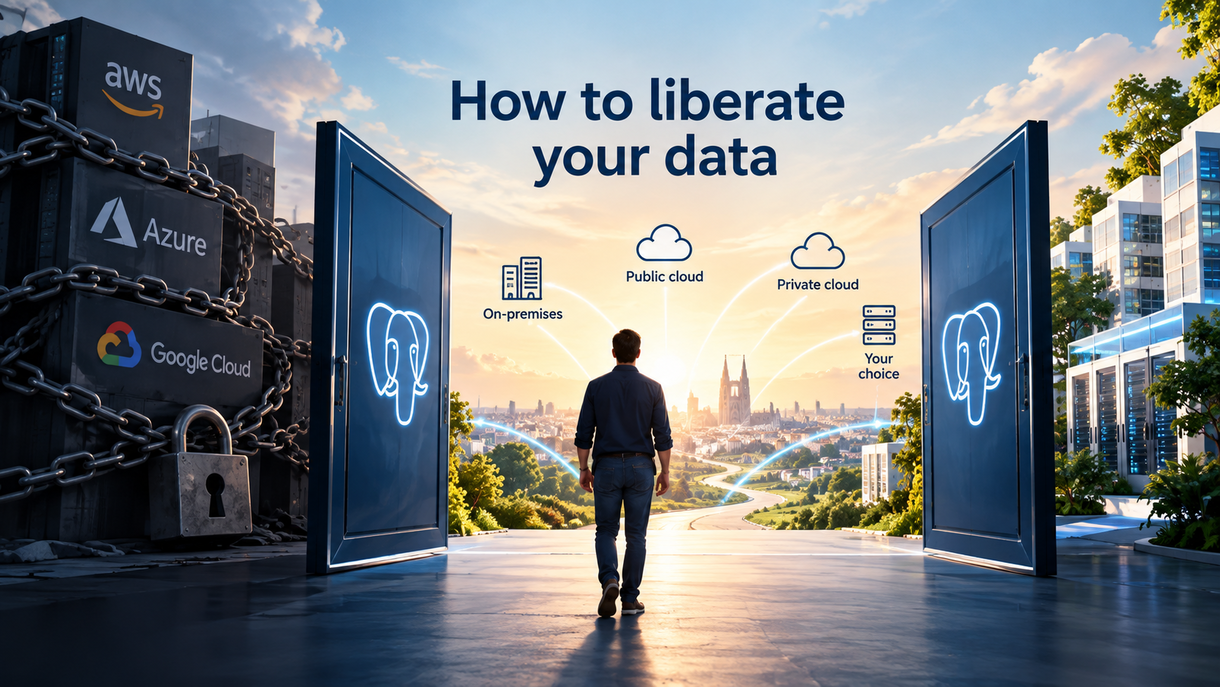
How to liberate your data: staying in control

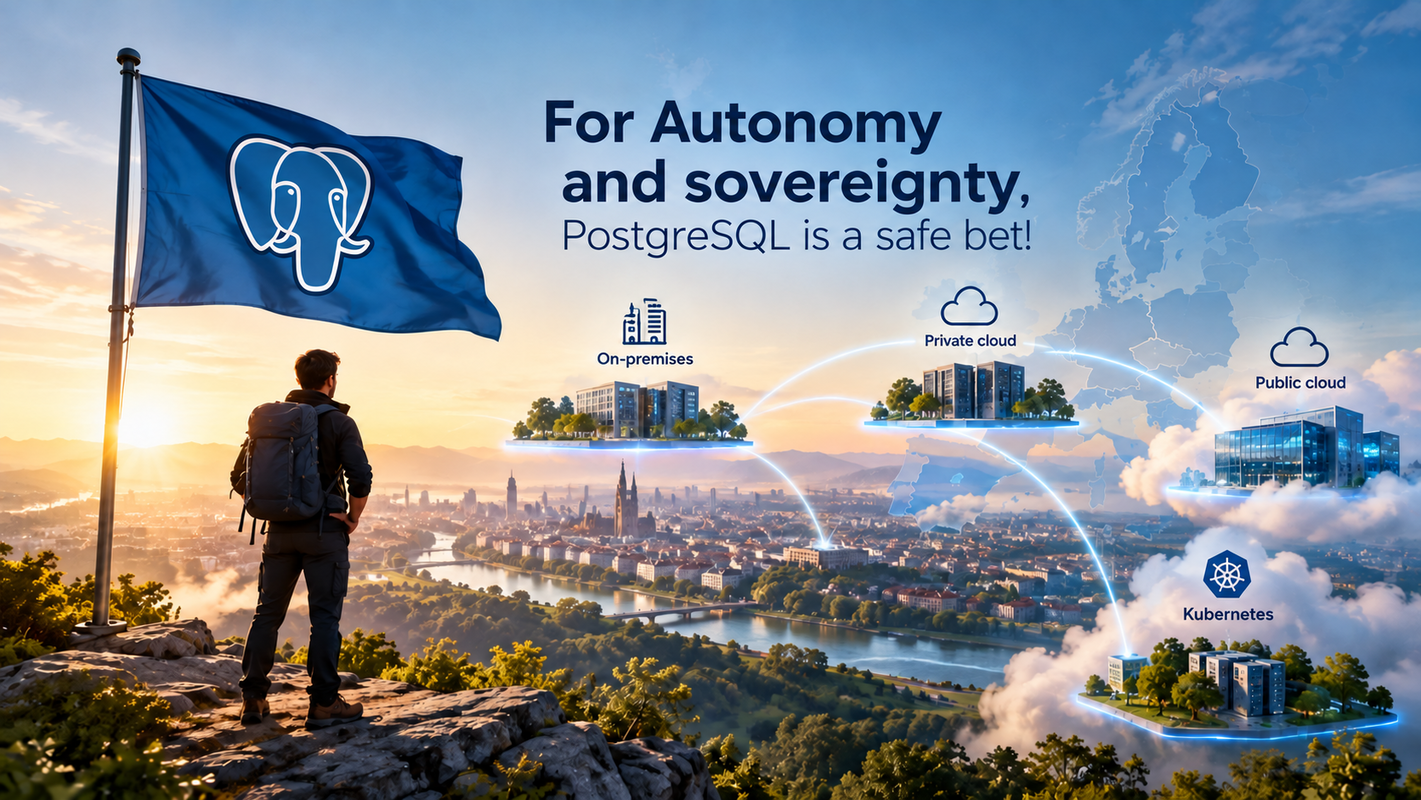
How do you prevent your organisation from becoming increasingly dependent on a single technology or cloud provider? And how do you retain the freedom to decide where your data resides and who manages it? These questions were explored in depth during a session on digital sovereignty. Two statements captured the message:


“How to liberate your data.”

“Postgres: For autonomy and sovereignty, it is a safe bet.”


PostgreSQL offers organisations an important form of freedom. As an open-source database, it is developed by an independent community and is not exclusively owned by a single commercial supplier. Organisations can therefore choose where to host their databases: in their own data centre, in the public cloud or with a specialist service provider. Support and management are not tied to one supplier either. Another statement at the conference made this particularly clear:


“Postgres: Vendor independent, if you don’t like the vendor, you can pick another vendor.”


This freedom gives organisations greater flexibility and can reduce their dependence on suppliers. There is, however, an important qualification: combining PostgreSQL with vendor-specific services or functionality can create new dependencies. For our customers, the value therefore lies in both choosing PostgreSQL and designing an architecture that allows for future change. Digital independence starts with making informed choices.

Cloud costs: more capacity is not always the answer 

The cloud makes expanding IT capacity easier than ever. More computing power, additional storage or larger databases are often available in just a few steps. But that flexibility comes at a price. A session on PostgreSQL and cloud costs highlighted this with a provocative statement:


“High performance in the cloud is a bill, not a skill. It was a skill now it’s a bill.”


The statement is deliberately pointed, but it raises an important issue. Where organisations previously invested primarily in their own infrastructure, inefficient use of cloud resources now translates directly into recurring costs. An oversized database, unnecessary storage or inefficient data processing can quietly become a significant expense. Adding capacity is also not always the best response to a performance problem. The conference highlighted that organisations often already have extensive monitoring and valuable information about how their databases are used. The question is: what do they do with that information? By systematically connecting performance, capacity and costs, organisations can use their data platforms more efficiently. For AMIS, this aligns with our vision for intelligent operations: keeping systems available while continually improving how technology is used. This creates opportunities for cost savings, better performance and lasting returns.

AI creates new opportunities, but requires trust in data 

Artificial intelligence is changing how organisations work with data. AI makes it possible to find information faster, discover connections and make business processes smarter. PGDay Lowlands showed that these opportunities also bring new challenges. How do you ensure that AI uses the right information? And how do you retain control over which data is available and how it is used?


AI can help organisations extract more value from their data. But the quality of its results depends heavily on that data’s reliability and availability. Data quality, security and clear agreements about information use therefore remain essential. For AMIS, this reinforces a key principle: AI only delivers real value when the underlying data is reliable, accessible and well managed. A future-proof data platform provides the foundation for both daily operations and the responsible use of new AI capabilities.

5dc71291-1e86-42df-a0cb-af6ddca1d855

Open source continues to evolve

Alongside the strategic topics, PGDay Lowlands devoted plenty of attention to new developments in PostgreSQL, including performance improvements, new database functionality and data analysis capabilities. The European Cyber Resilience Act was also discussed. This legislation sets cybersecurity requirements for products within its scope, reinforcing the importance of security, maintenance and clearly defined supplier responsibilities.


For organisations using PostgreSQL, this highlights the importance of balancing the freedom of open source with the assurance of professional management and support. Open technology offers freedom of choice. A well-designed data platform ensures that organisations can make effective use of that freedom.


What are our takeaways at AMIS?

PGDay Lowlands 2026 reinforced our view that PostgreSQL is much more than a reliable open-source database. It is a technology that can help organisations become more independent, gain greater control over IT costs and make their data available securely and responsibly for new applications. Perhaps that is exactly why the statement we opened this article with is so fitting:


“Postgres is mostly reliable and boring.”


For organisations that depend on their data, a reliably functioning database cannot be taken for granted. It is an essential foundation for continuity and innovation. At AMIS Conclusion, we combine our knowledge of data platforms with experience in architecture, implementation and management. We help organisations turn technological possibilities into solutions that deliver real value. Conferences such as PGDay Lowlands give us the opportunity to exchange knowledge, critically assess developments and bring fresh insights to our customers. Ultimately, what matters is what technology enables you to achieve.

Discover what PostgreSQL can do for your organisation. 

Would you like to know how PostgreSQL can support greater digital independence, lower cloud costs or a future-proof data platform? We would be happy to discuss this with you.

Ise Douwes

Ise Douwes

Principal Consultant