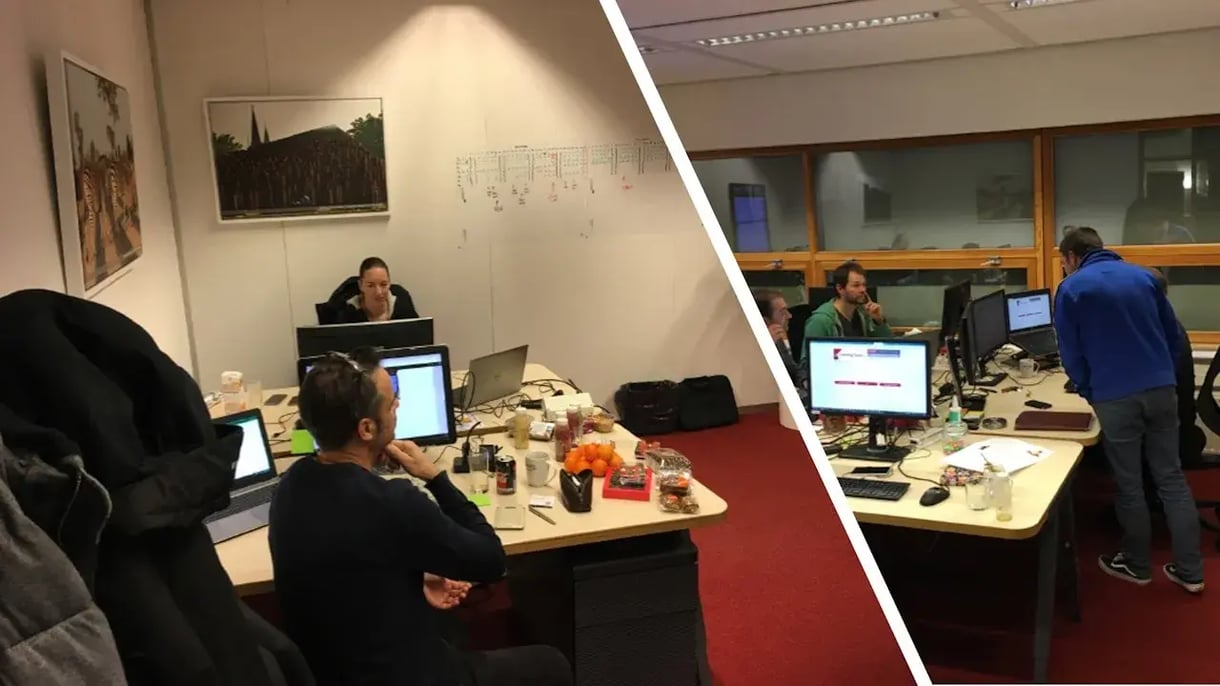
After months of preparation, CIS Systems has now been live for over a month. It has been an intensive and challenging journey.
After months of preparation, CIS Systems went live on 1 December 2018. It was an exciting moment. Now, a month and a half later, the initial teething problems have been resolved. How are things looking?
In August, it was announced that Stichting CIS had selected Conclusion as its new service provider. In this role, Conclusion is responsible for ensuring the continuity of CIS’s existing environments. Alongside day-to-day management and service desk activities, existing applications are also being modernised.
As a result of this modernisation, the FISH, CC and CRT services were no longer available through their previous URLs from 30 November 2018. The transition to migrate CIS’s systems began in January 2018. It was a challenging project, particularly because services had to remain available throughout the work.
CIS Systems live
After weeks of preparation, CIS services were transferred to Conclusion on Saturday 1 December 2018. All parties involved worked hard to minimise service interruptions for the nearly 400 insurers and authorised underwriting agents.
Before the new environment went live, both the project team and several CIS participants carried out extensive testing. Unfortunately, this did not prevent some challenges from emerging after launch. The initial teething problems have now been resolved, and services remained stable throughout the holiday period.
Since then, several changes have been implemented, including improvements that have made compliance check processing ten times faster. We are working hard to reduce processing times further. Over the coming month, we will also work on changes to the application architecture, including extending the Self Service portal’s functionality to better support participants and reduce the workload on the administration team.
Future
Conclusion will support CIS in the further development and innovation of its services. We have just received approval to increase development capacity by 3,000 hours per year.