  • Event

    |
  • By:

    Conclusion AMIS

    |
  • Publish Date

    11 December, 2025

    |
  • Share

Event report: E-world 2025 recap at AMIS Conclusion


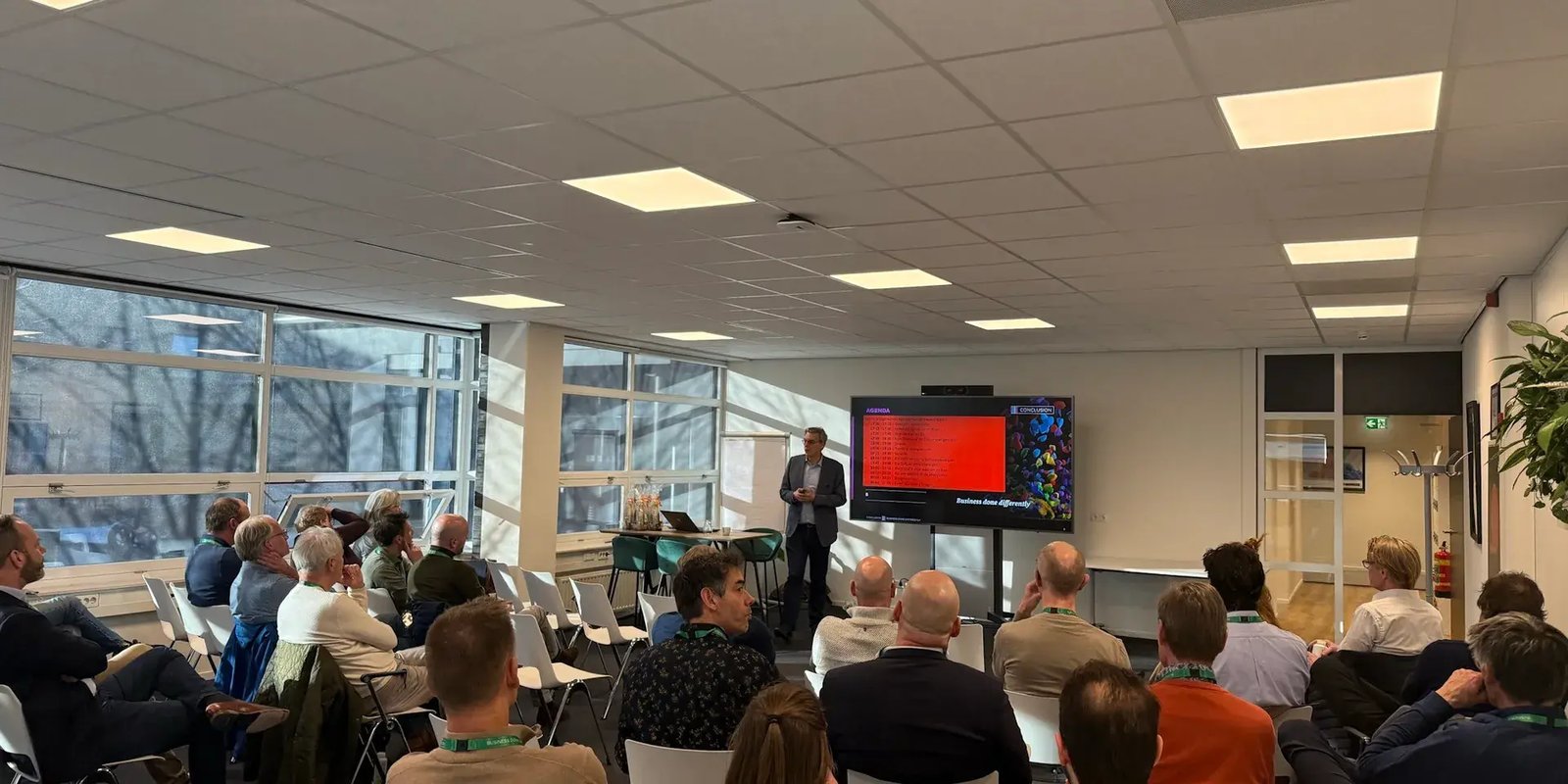
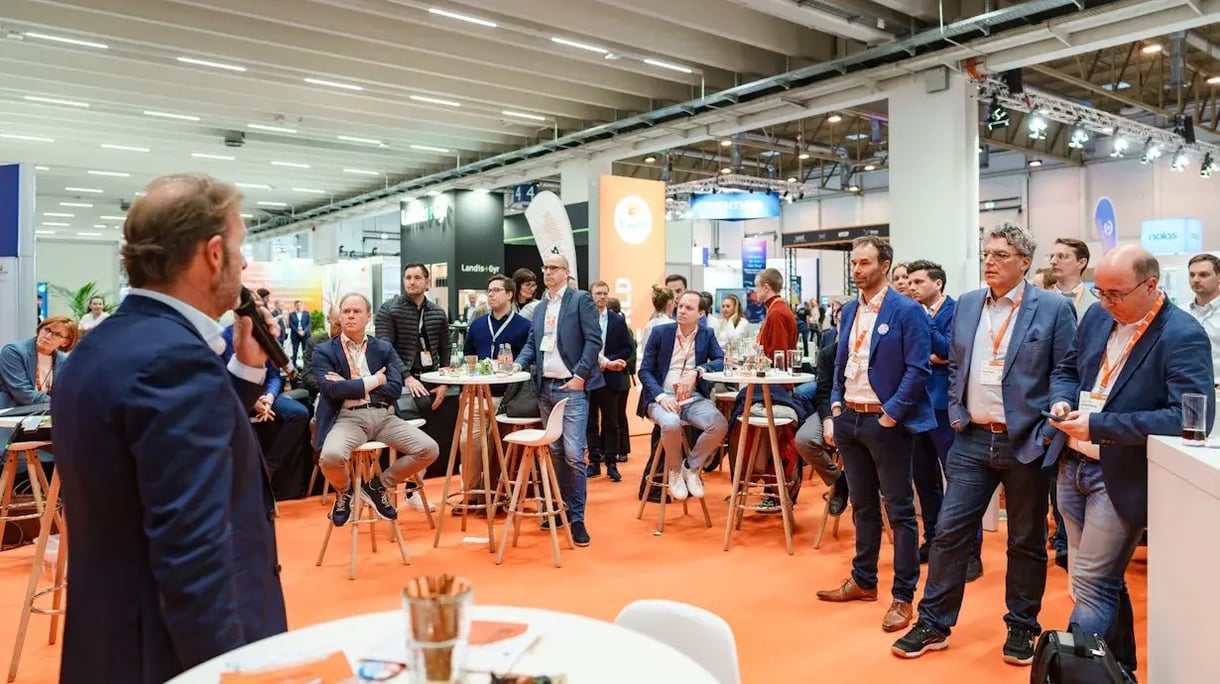
In February 2025, we attended E-world energy & water 2025 in Essen. On 18 March, we hosted an exclusive recap at our office in Nieuwegein. Together with more than 40 participants, we revisited the highlights of this leading event for the energy and water industries.


About E-world energy & water 2025

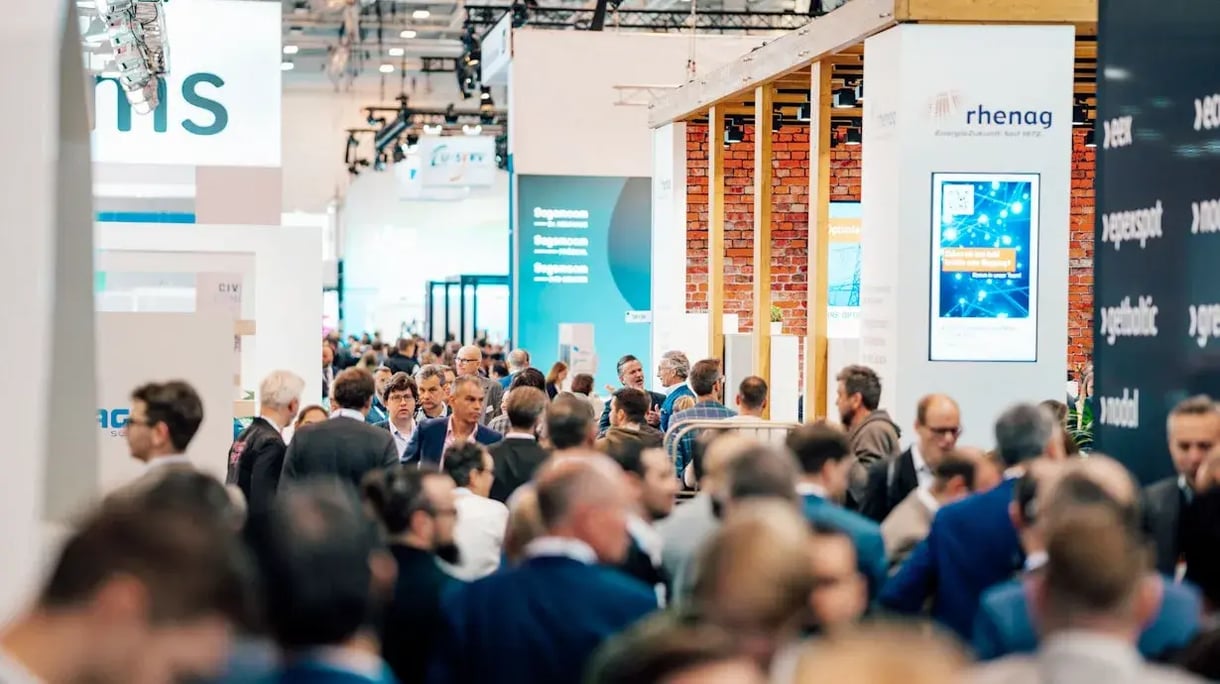
Now in its 24th edition, this annual event is the leading trade fair for the energy sector. Over three days, it attracts more than 33,000 visitors, with 920 exhibitors and 175 talks from leading companies, scientists and policymakers in energy and sustainability. It offers a wealth of knowledge and valuable insights.


The E-world 2025 conference highlighted four central themes: Change, Future, Hydrogen and New Energy Systems. These themes featured prominently in the exhibition halls, providing platforms for sharing knowledge and experience. Visitors could attend presentations, Q&A sessions and panel discussions with leading international speakers from the energy and sustainability sectors.

Highlights of E-world energy & water 2025 

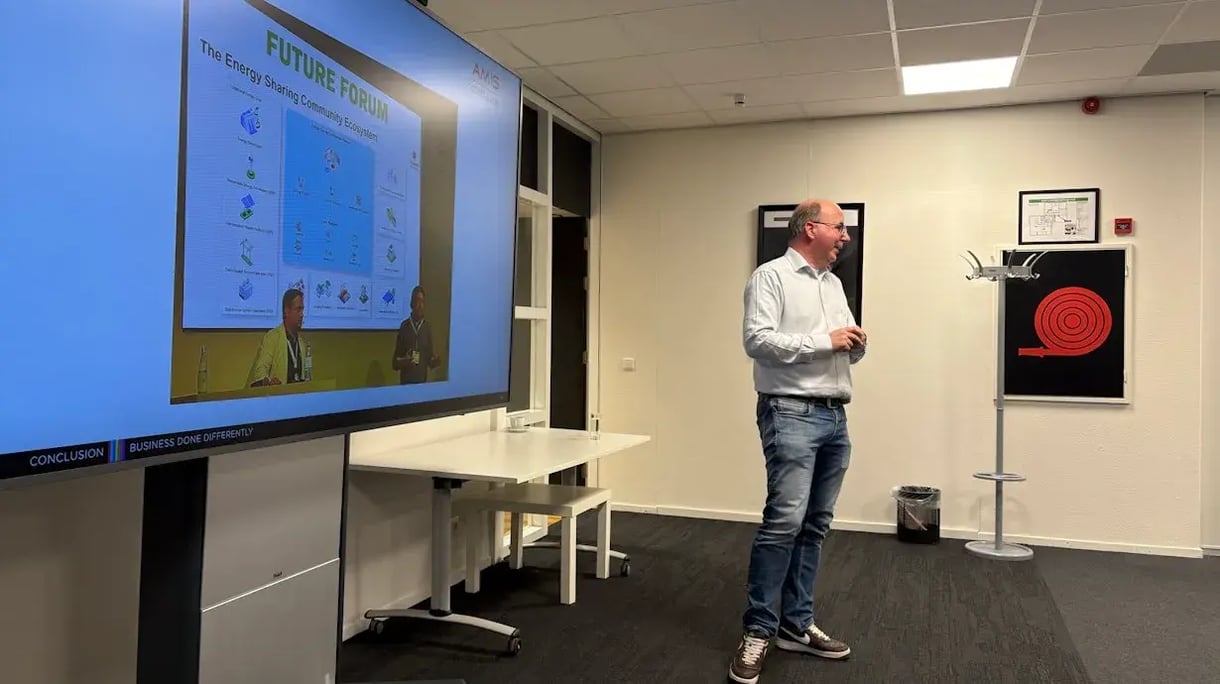
During our recap, Robbrecht van Amerongen (Head of Energy at Conclusion), Jan Willem Groenenberg (Integration Architect at AMIS Conclusion), Mathieu Zekveld (Business Developer at ROM Utrecht), Ruben van der Horst (Trade Adviser at ROM Utrecht) and Siemen Brinksma (Founder of Biosphere Solar) shared their key insights and highlights from the conference. 

Bedrijven op E-world energy & Water 2025

Although the conference officially covers energy and water, exhibitors focused mainly on electricity and finance. Major players attended to connect banks with owners of energy assets.


Alongside energy traders, exhibitors included suppliers of hardware, meters and batteries. Software companies specialising in trading, energy management and asset management were particularly well represented.


The emphasis was clearly on controlling and managing available generation capacity, storage and energy consumption: an essential theme in the energy transition.

Een man presenteert

Facts and figures from the energy market 

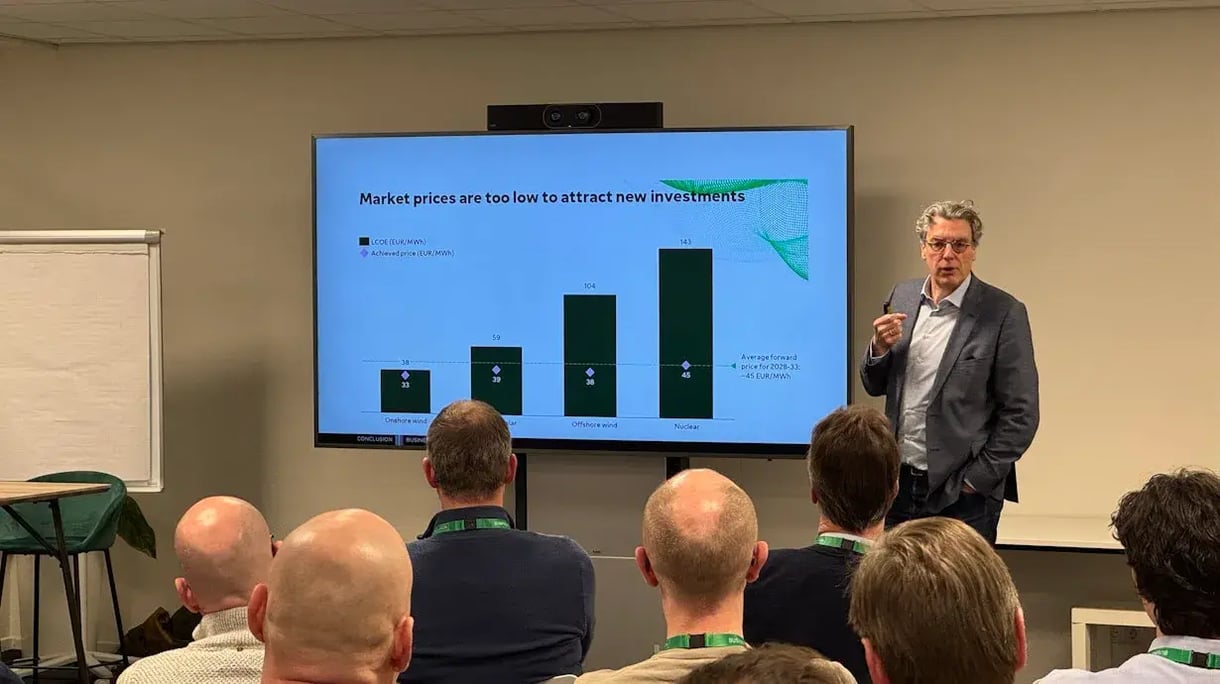
During the recap, our expert Robbrecht van Amerongen discussed several important facts and figures from the energy market. Solar energy is expected to become the dominant energy source after 2030. Apart from Scandinavia, solar will by then be the cheapest energy source in almost every region when measured over an installation’s full lifespan.


In Germany, wind is currently the largest energy source, followed by lignite. Self-consumption of solar energy has increased tenfold over the past 20 years. Since 2019, Germany has consistently generated more renewable than fossil-based energy, while nuclear power has been completely phased out over the past five years.


Investment in solar and wind energy is expected to increase further over the next five years, even compared with today’s already high levels.

Resultaten woorden gepresenteerd

Digital meters and energy prices: comparing Germany and the EU 

Germany is significantly behind in digitalising energy meters. Only 20% of meters can currently be read digitally, and the large-scale rollout of 50 million meters has only recently begun. By comparison, countries such as India and China will each need more than 200 million smart meters annually from 2027, putting considerable pressure on the market.


Europe, particularly Germany, also provides substantial subsidies on business energy prices. As a result, Germany’s electricity prices before subsidies are among the highest in Europe, while subsidies keep the final price artificially low. In the Netherlands, comparable subsidies are largely unavailable.

ROM Regio Utrecht encourages collaboration during E-world visit 

During the visit to E-world 2025, ROM Regio Utrecht gave Dutch companies the opportunity to network with German partners. The visit encouraged knowledge sharing and exploration of opportunities to collaborate on the energy transition.


The delegation visited the NRW Pavilion and participated in several networking activities. During the recap, Mathieu Zekveld shared his experiences and insights from the visit.

Energy market trends: from local optimisation to smart energy management 

After dinner, we explored the latest energy market trends, ranging from technological innovation to changing consumer behaviour. One notable development is the growing conversion of renewable electricity into heat, for example through local energy initiatives.


In Germany, local energy communities are making entire apartment buildings more sustainable through an integrated approach, combining insulation, heat pumps, solar panels, electric vehicles and batteries. Another important trend is optimising energy use locally to reduce pressure on the electricity grid. Energy management systems are also being assembled from hardware and software building blocks, reducing dependence on original equipment manufacturers (OEMs) or major software suppliers.


Location is becoming increasingly important too. Regions with sufficient space, funding, renewable energy and good transport connections are ideal for large factories that convert renewable electricity into heat and valuable products.


Finally, digital product identifiers are gaining ground: systems that describe the sustainability characteristics of energy assets in a smart, standardised way.

Een gang vol met mensen tijdens het event

The role of OEMs and software companies in the energy market 

Jan Willem Groenenberg discussed the changing role of OEMs and major software companies in the energy market. Increasingly, OEMs are acquiring software companies to offer integrated, end-to-end solutions. Although this provides speed and convenience, it also creates a risk of vendor lock-in: organisations can become tied to one software system for the hardware’s entire lifespan. At the same time, a countertrend is emerging among large companies with extensive energy assets. They want greater control and flexibility, choosing their own hardware and deciding how to connect it to their energy management systems. 

Hydrogen: understanding why and how 

Hydrogen is an essential part of the overall energy mix. Producing hydrogen from renewable electricity provides a foundation for the chemical industry. Hydrogen is increasingly taking over roles previously fulfilled by oil as a feedstock. However, hydrogen from renewable sources is currently too expensive for large-scale use as a fuel. 

The role of heat in the energy mix 

Heat is often underestimated in the energy transition, despite its potential to play a key role. It offers a valuable way to use surplus renewable electricity, particularly when the resulting heat is supplied directly to district heating networks.


One inspiring example is Microsoft’s data centre project in the Helsinki region, where buildings are heated using waste heat from data centres. The project demonstrates how this heat can be recovered effectively for district heating, significantly improving energy efficiency.

Circular and open-source solar panels: Biosphere Solar’s approach 

Siemen Brinksma explained how Biosphere Solar approaches the production of circular solar panels, or PV modules. The company’s mission is to establish fair and circular standards in the solar energy sector. During his presentation, he discussed Biosphere Solar’s approach and open-source design. By making its hardware designs widely available through open-source licences and patents, the company enables a global community of innovators, engineers and entrepreneurs to contribute to developing circular solar panels. 

Een van de booths op het event, mensen zitten een luisteren

Closing panel discussion and questions

 The exclusive E-world 2025 recap concluded with a panel discussion and an interactive Q&A session, giving participants the opportunity to share their views, ask questions and engage with the speakers. 

More information about this topic? 

If you would like to know more about this session or receive background information, feel free to contact Robbrecht van Amerongen. Alternatively, leave your details below to receive news and updates about upcoming AMIS Conclusion events.

Robbrecht van Amerongen

Robbrecht van Amerongen

Head of IoT at AMIS Conclusion