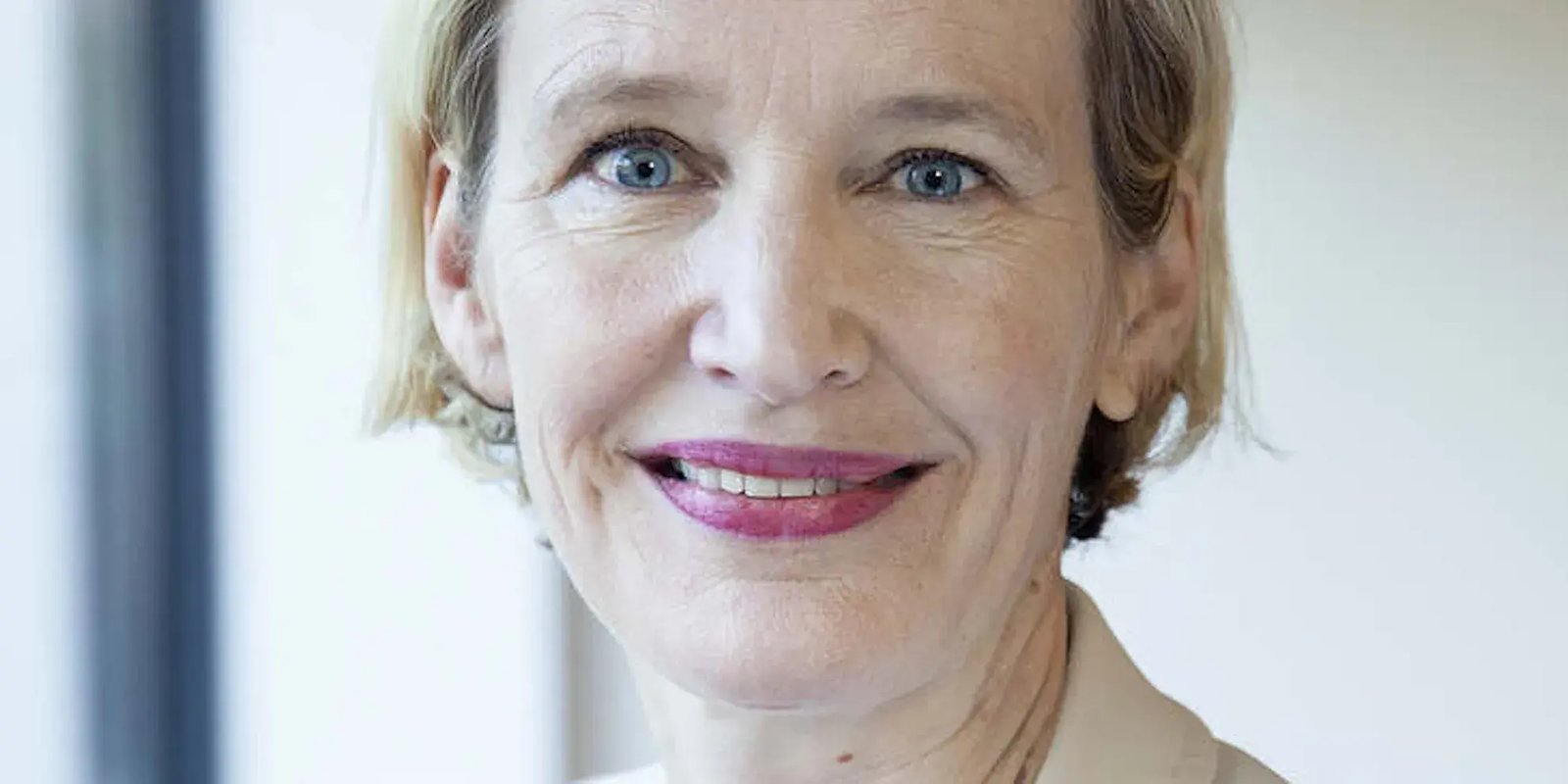
Many organisations find themselves held back by their IT systems, making it harder to change as quickly as they would like. The complexity of their IT landscape hampers productivity, while legacy systems can drive up costs considerably. Professor Cokky Hilhorst, Professor of Business & IT at Nyenrode University, explains how organisations deal with this.
Having worked in IT for many years, Cokky Hilhorst recognises that complex IT systems cause difficulties for many businesses and government organisations. “Legacy is, of course, widespread. You could describe it as software that has proved its worth over a long period. There is nothing inherently wrong with organisations holding on to these older systems. As long as they work and are secure, that is fine. Things become complicated when changing requirements mean organisations need to make changes to those systems. That is when they can make life very difficult for themselves.” “Legacy is, of course, widespread. There is nothing inherently wrong with organisations holding on to these older systems. Things become complicated when changing requirements mean they need to make changes to those systems.”
"Legacy is, of course, widespread. There is nothing inherently wrong with organisations holding on to these older systems. For many, things become complicated when changing requirements mean they need to make changes to those systems."
Cokky often sees decision-makers choosing a new IT system or application too quickly. “Two things are at play: managers lack sufficient knowledge, and decisions are based on insufficient information. IT decisions involve many factors, including technical considerations, but also processes and people that need to change. That often makes the decision more complicated. Even if IT is not your field, you still need to understand what you are choosing. Above all, you need to understand how those choices serve your business objectives.”
Hilhorst knows that rushed decisions are human nature. Research by renowned psychologist and Nobel laureate Daniel Kahneman shows that people make many decisions based on overly quick judgements. “This is built into us through evolution. What we consider a carefully thought-out decision is often actually based on too little information.”
"Even if IT is not your field, you still need to understand what you are choosing. Above all, you need to understand how those choices serve your business objectives."
Data for better decisions
For small, everyday choices, such as what to put on your sandwich, this ability to make quick decisions is useful. But for large, costly and complex undertakings such as digital transformation, it works against us. “Managers need to recognise this pitfall and take a step back. IT systems can provide so much data to support better-informed decisions. Make use of it.”
Take your time
Hilhorst advocates a controlled approach to making changes to IT systems. Take your time, she advises, and always keep your actions proportionate to the problem. “If a kitchen cupboard no longer closes properly, you do not rip out the entire kitchen. And finally, start with people and the organisation. IT systems sometimes become unnecessarily complex because decisions are driven too much by IT and too little by business needs and people.”
"If a kitchen cupboard no longer closes properly, you do not rip out the entire kitchen."
Call André van Dalen
Director