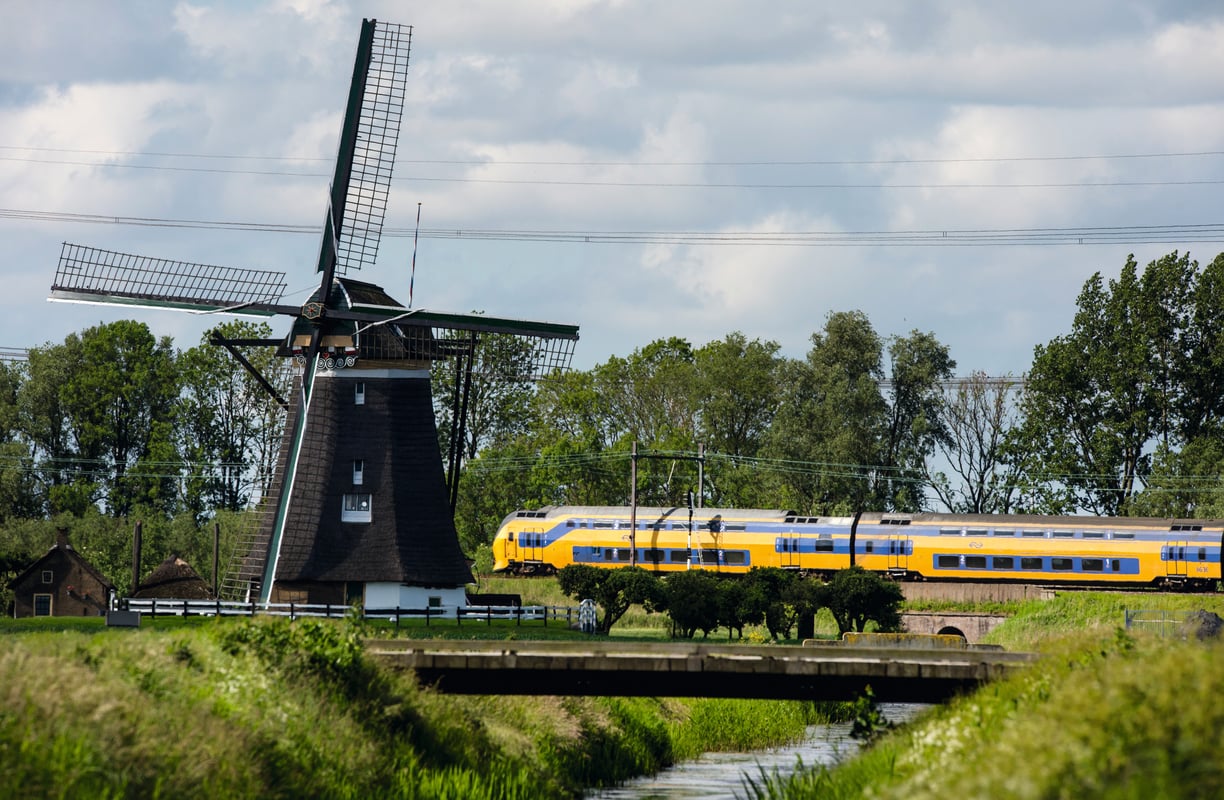
The Dutch Railways (NS) adjustment department ensures that the timetable is followed as closely as possible, even when a tree falls on the tracks, a switch malfunctions, or an overhead line fails. These adjustments are made using IT applications that must, of course, function flawlessly 24/7. Digital Leads Marco Kappe (Service Operations) and Marten Houwing (Material) are responsible for the IT that supports NS operations.
For a long time, adjustments meant reacting to incidents. But with the introduction of a new observability platform, that has completely changed. The focus is no longer on the incident itself, but on the deviation. In other words: no more chasing problems but staying ahead of them.
Impact on passengers
“The IT chain is mission-critical. Train services must continue,” Marten explains. “You don’t want passengers left waiting because something went wrong in the IT chain. Even though the chance of failure is very small, thanks to strict processes and controls for applications, systems, and components, we know: IT can break.”
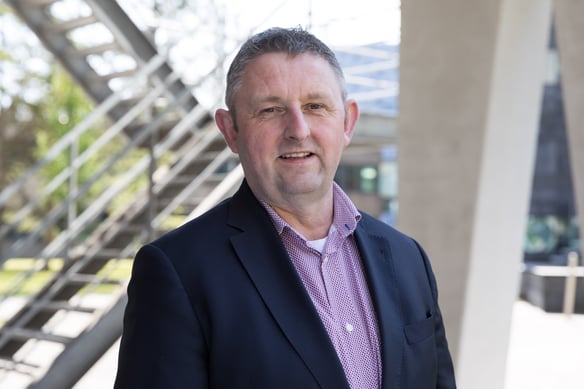
"We see when a system’s behaviour changes"
Marco Kappe
Service Operations
24/7 monitoring
Before the observability platform was introduced, issues only became apparent when a system or component failed. Users would report problems to the service desk, after which administrators and technical specialists were called in. Often losing valuable time.
“Now we detect unusual behaviour before it leads to failure,” says Marco. “The platform monitors the entire chain 24/7. We’ve set up hundreds of scenarios that recognise patterns. We can see when a system’s behaviour changes. That gives us time to calmly investigate. We detect anomalies before people notice them, and sometimes even before they become visible.”
Components light up
Monitoring takes place in Conclusion’s Operations Centre, a physical space where staff have 24/7 visibility of the entire IT chain via large screens. Under normal conditions, there’s little to see. But when a deviation occurs—or is likely to occur—the relevant components light up, showing their status. This allows staff to quickly diagnose the issue, take action, and bring in experts.
Marten: “Of course, users still call the service desk from time to time. But now the response is: ‘You’re probably calling about…’ instead of ‘What are you calling about?”
Live within a year
The idea for the observability platform emerged in early 2023, and it was already operational by the end of that year. Marten: “We were modernising our application landscape to improve business functionality and robustness. That included containerisation, which changes how you view the underlying IT infrastructure. We decided to integrate proper observability from the start. If we’re building something new, we want to monitor it properly too.”
“The rapid development was possible because we started small and scaled up in a focused way, with short cycles and lots of learning moments. We began implementation at NS International, a relatively small business line. Only then did we roll it out to the main rail network,” Marten explains.
Marco adds: “Since the platform’s introduction, ‘P2’—or ‘priority 2’—alerts have dropped by 70%. And in the first quarter of 2025, there were no ‘P1’ alerts at all—the most critical category.”
Tough discussions
“Conclusion helped shape the idea, brought in the right experts, and co-developed the solution,” says Marco. “We often had tough discussions—sometimes quite intense—but we were always focused on our shared goal: the most punctual timetable possible. It helped that the people at Conclusion shared that mindset. They’re just as frustrated as we are when the timetable is disrupted.”
Marten agrees: “The people we work with understand the dynamics of the rail business. You can’t just claim track capacity to make adjustments—freight trains and other operators use the same tracks. Capacity is limited, and train drivers and conductors have fixed rosters. We’re responsible for the IT, but having a feel for the operational side of the railway makes a service provider truly different for us.”
About Dutch Railways (NS)
Nederlandse Spoorwegen (NS) is the main rail operator in the Netherlands, commissioned by the government. The company is responsible for most Intercity and Sprinter services on the main rail network. In addition to train travel, NS supports the entire door-to-door journey, for example through the OV-fiets bike rental scheme and station management.
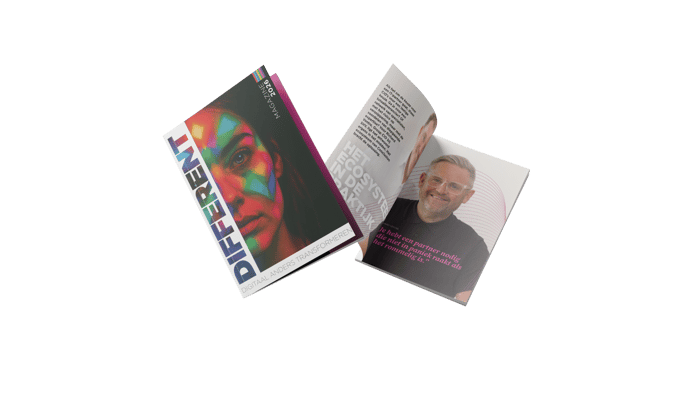
Your guide to digital transformation Discover DIFFERENT
Digital transformation challenges organisations to raise their game. It means embracing AI, ensuring data integrity, defining cloud strategies, driving technological sustainability, and meeting the growing demand for highly personalised services.In DIFFERENT, you’ll find insights into 10 critical themes, inspiring real-world stories, and sharp expert perspectives.
Dare to do things differently. Request your copy of the magazine and take the lead.