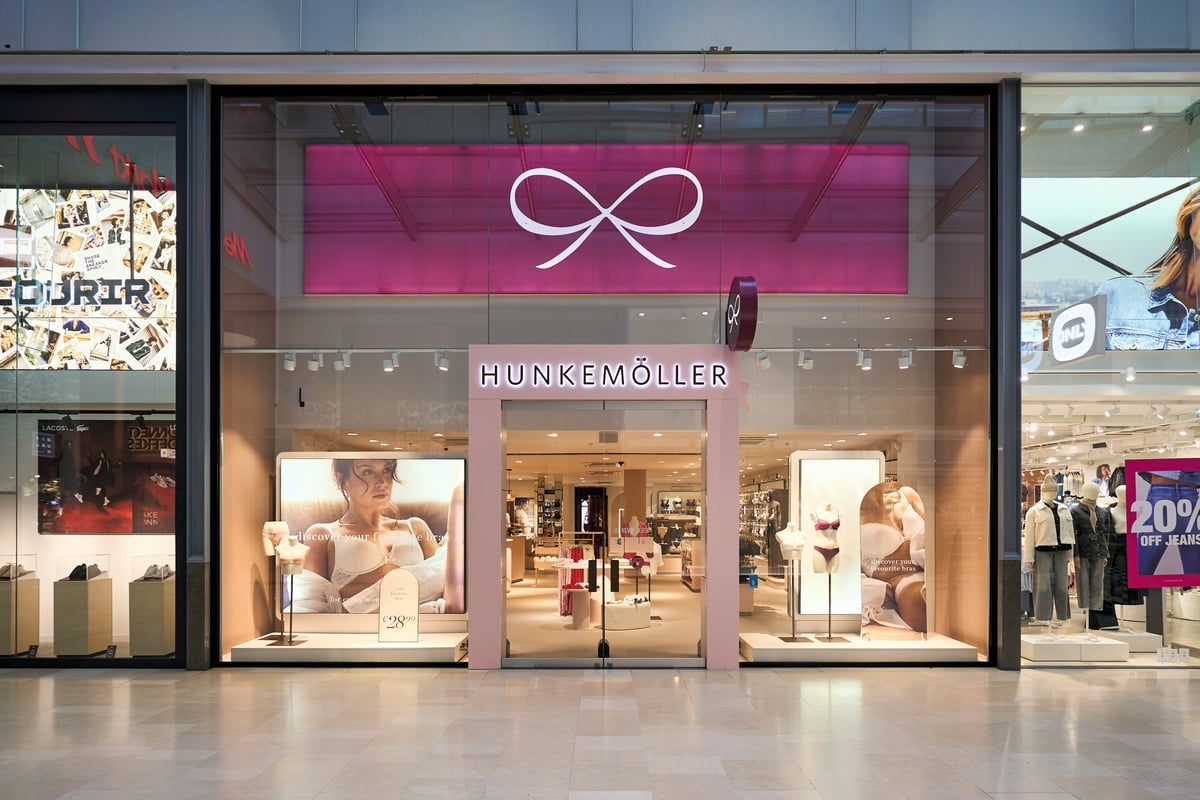
Few sectors are as fast-moving as retail. Gordon Smit, CTO at Hunkemöller, knows this better than anyone. The company not only keeps pace with the rapid changes. It uses technology to stay ahead. “What sets us apart? Making the most of our goldmine of data and driving technological innovation.”
Hunkemöller has evolved far beyond a high street retailer in recent years. “We’ve truly become a brand,” says Gordon. “Not just through our own stores, but also via major international platforms like Amazon, ASOS and Zalando. We want to build on that brand position. The question is: how do we ensure sustainable growth?”
A treasure trove of data
When Gordon joined in 2019, he was delighted to discover that Hunkemöller had access to a wealth of data. Thanks in part to the fact that 75% of its customers are members. “That gives you a huge potential advantage over competitors. But the data was scattered across some 25 different systems and sources, which meant there was no clear overview. This led to inefficiencies, confusion and sometimes conflicting insights. You can’t make data-driven decisions if you don’t know what’s true.”
Strategic partnerships
Hunkemöller took decisive action. The company partnered with Google Cloud and expanded its collaboration with SAP. “I’mactually allergic to the word ‘partnership’ when it comes to suppliers,” Gordon confides. “But with the technological leaps we’re making, you have to build a partnership. It’s not an off-the-shelf product. You develop it together, driven by a shared ambition to create something meaningful.”
Moving beyond the retail mindset
SAP shares that ambition, with Conclusion acting as a catalyst. “This is where Conclusion really stands out from other tech firms. They always approach technology from a human perspective. That was crucial in translating the often highly technical side of SAP into something users could work with. You can tell Conclusion is experienced in bridging the gap between tech and people.
And they genuinely enjoy doing it. It makes the technology much more engaging.” Together, they analysed how the organisation could best prepare for its next growth phase. “The conclusion: if you want to grow your wholesale business, you need to move beyond a standard retail approach. A SAP Fashion Management environment is much better suited to the dynamics of the fashion industry. SAP guided us expertly through the transition to SAP S/4HANA, without pressure, and with deep expertise and practical support.”
Constant innovation
The Google Cloud Platform has now become a vital part of operations. “We use it not only to collect vast amounts of data via BigQuery, but also for real-time dashboards, AI initiatives and innovative proofs of concept,” Gordon says. “Google keeps introducing new possibilities, allowing us to experiment faster and bring new ideas to life. It’s how we continue to strengthen our brand through technology.
Data as a shared language
Internally, the dynamic has shifted too. “We now work in a much more multidisciplinary way. IT, marketing, sales and operations come together to solve problems and seize opportunities. Data is the shared language. It’s changing our entire culture: from silo thinking to collaboration.” And it’s paying off. Hunkemöller is using technology more intelligently to time and personalise marketing campaigns. “In the past, many campaigns were based on gut feeling. Now, we rely on hard data.”
Dramatically faster time-to-market
“In the old process, time-to-market could easily take eight months. That makes it harder to respond to trends, geopolitical shifts or rising transport costs.” New technologies are expected to dramatically accelerate that process. Digital and 3D designs already allow products to be assessed from every angle, virtually, without sending physical samples back and forth to suppliers.
“Where we used to work with sketchbooks and pencils and wait weeks for a sample, we can now instantly see whether a design needs more lace, for example, or less. That saves valuable time in the design phase.”
Smarter supply
The next step is to make ordering and production smarter. More insight into production and transport progress will help ensure the right quantity, in the right size, is in the right store at the right time. Gordon also highlights refined regional alignment. “Our data allows us to predict where certain sizes will sell faster, and we stock stores accordingly.”
No blanket discounts for black friday
Another striking example of Hunkemöller’s progress is its approach to Black Friday. “We used to start discounting from 1 November and peak on Black Friday itself. Now, thanks to our AI algorithms, we know exactly which products should be discounted only on Black Friday, which ones earlier in November, and which don’t need discounting at all because they sell well regardless. A human brain can’t spot those patterns. The volume of data is simply too large.”
No AI without data
A nice bonus: these examples don’t involve personal customer data. “It’s purely based on our own transactional sales data. Everyone talks about personalisation and privacy risks, but there’s still so much other data you can benefit from.” That data does need to be accessible, though. “AI is the buzzword of the moment, but if your data isn’t in order, you’re left empty-handed,” Gordon emphasises. Hunkemöller proves that with structured data management and AI, the possibilities are endless.
About Hunkemöller
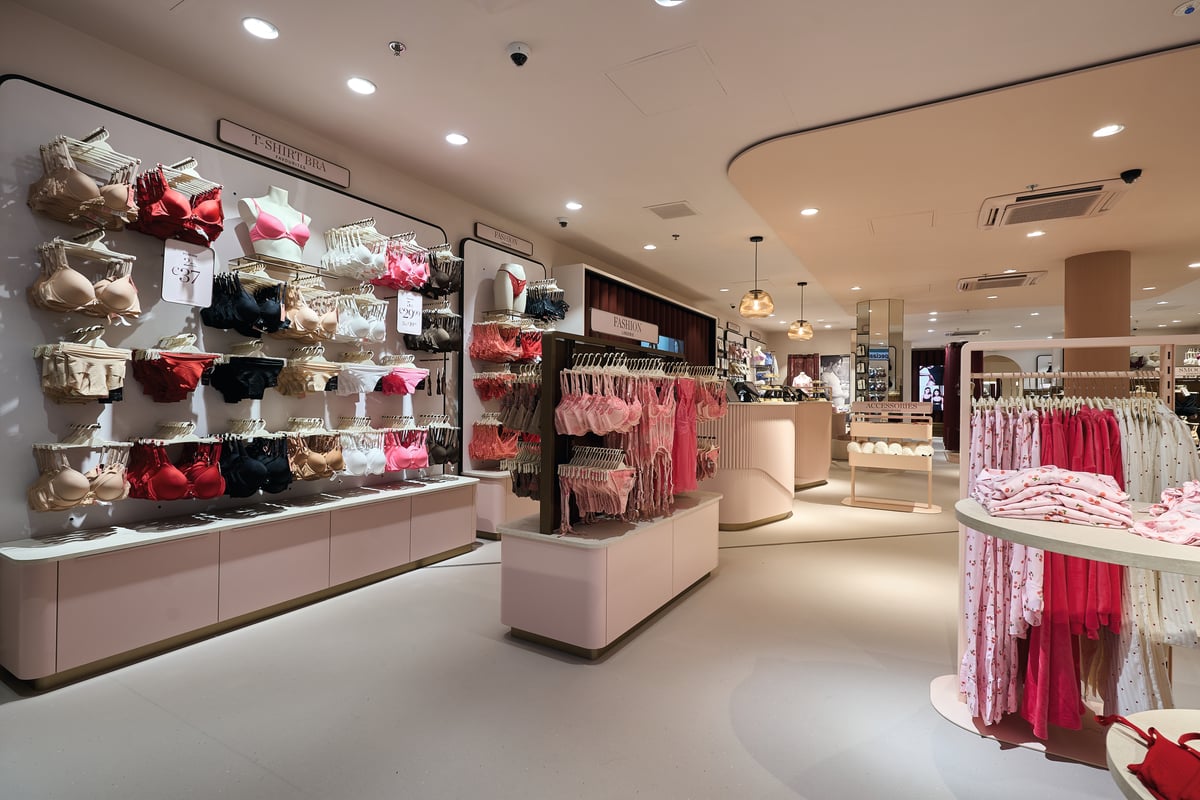
Hunkemöller is an international lingerie and swimwear brand with over 750 stores across Europe and the Middle East. Its entire range consists of in-house labels. The brand is known for its fashion-forward collections, strong focus on customer experience and innovative approach to retail and e-commerce. Hunkemöller expanded into the wholesale market some time ago.
Your guide to digital transformation Discover DIFFERENT
Digital transformation challenges organisations to raise their game. It means embracing AI, ensuring data integrity, defining cloud strategies, driving technological sustainability, and meeting the growing demand for highly personalised services.In DIFFERENT, you’ll find insights into 10 critical themes, inspiring real-world stories, and sharp expert perspectives.
Dare to do things differently. Request your copy of the magazine and take the lead.