how does the digital wallet impact your organisation?
eIDAS 2.0 is on its way:
The European digital wallet under eIDAS 2.0 is on its way. At last, the receptionist at your hotel will no longer need to take your passport away to make a copy. And you will no longer have to visit the local council or an embassy to obtain an official document. You stay in control of your data while saving time and effort. The digital wallet makes these kinds of steps unnecessary.
The digital wallet: your digital identity
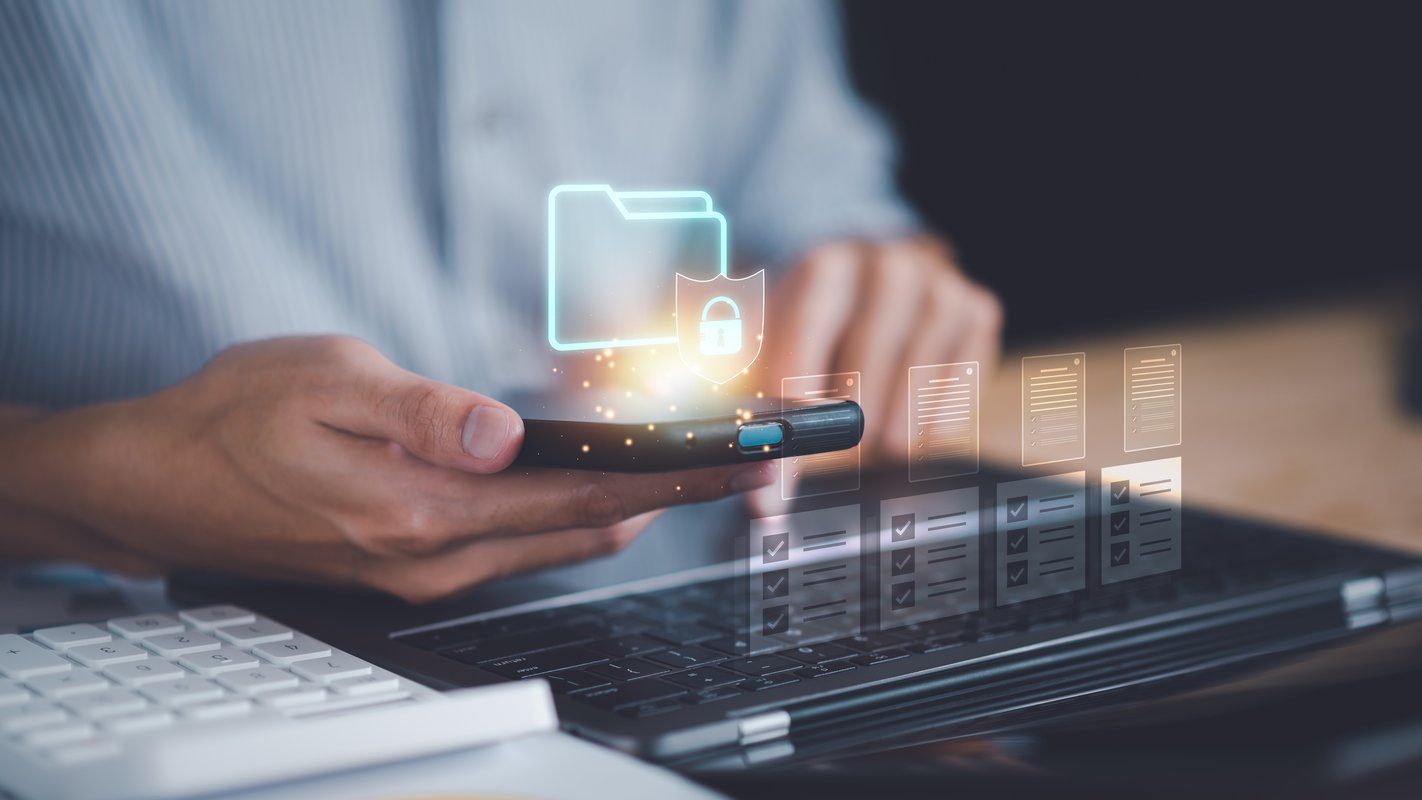
The wallet is not about money, but about your identity. That is a broad concept. The wallet can be used to show a wide range of personal details, such as whether you hold a driving licence or are over 18, 21 or 65. It can also contain qualifications, your passport number and your address, as well as your museum pass, public transport season ticket, student card and company badge. You can also use the wallet to provide a legally valid signature. Poland’s mObywatel app shows how this already works in practice. A well-functioning wallet makes many everyday and business activities easier, reducing the time and money they require.
In the Netherlands, DigiD is a precursor to the digital wallet. You use DigiD to log in securely to government, education and healthcare services. DigiD is valuable, but it also has limitations. It only covers your basic identity through your citizen service number (BSN). It does not contain any other personal details. Only public authorities and organisations performing a public function may use DigiD, and its use outside the Netherlands is limited.
Legislation will shape the future
The European eIDAS 2.0 regulation defines the EUDI: the European Digital Identity. In the coming years, hundreds of millions of EU residents could gain access to a digital wallet. They can choose whether to use it. The wallet will usually take the form of an app on a phone. The app will comply with European standards and can be used in every EU country. Organisations in government, healthcare, education, financial services and other regulated sectors will be required to accept the wallet. Other businesses can opt in voluntarily, enabling them to serve customers more conveniently and securely.
Your data is not stored in a single central system. Only you hold it in your wallet.
How does the wallet keep my data secure?
Many people have concerns when they first hear about the digital wallet. Will all your data be stored in one place? And what will that mean for your privacy? Those concerns are understandable. Privacy has been a key design principle from the outset. In fact, the wallet can significantly improve security and privacy. Your data is not stored in a single central system. Only you hold it in your wallet. You decide when to use the wallet and with which organisation. You also choose which details that organisation may see. In a café, for example, you can simply prove that you are aged 18 or over. At the same time, the organisation can be confident that the information is correct, because of the system used to add data to the wallet.
The digital wallet for businesses
The digital wallet is not just for individuals. Companies and foundations can also use a wallet to identify themselves to public authorities and banks. They can also share trusted business information with other organisations, such as a Chamber of Commerce registration number, bank guarantee, permit or VAT number. Businesses can also sign documents and simplify checks on new customers. These checks are often referred to as Know Your Customer, or KYC. The business wallet and the personal EUDI Wallet can exchange data securely. This allows a self-employed professional to log in on behalf of their business and then share legally valid documents through their own personal wallet.
Current status of the wallet
Under eIDAS 2.0, every EU Member State must offer a certified EUDI Wallet by the end of 2026. The wallet is intended for citizens and other residents. From that point onwards, public-sector organisations and very large online platforms will be required to accept it. The Dutch NL Wallet is not expected until later in 2027. The Ministry of the Interior and Kingdom Relations and Logius are developing this national wallet as open-source software, which means that its source code is publicly available. Yivi, formerly known as IRMA, is another Dutch wallet. Organisations have been using Yivi for years to identify people digitally and allow them to log in securely, particularly organisations that are not permitted to use DigiD. Yivi follows the EUDI standards. Organisations can already use it in practical applications, helping them prepare for new opportunities and obligations.
The EUDI Wallet can significantly reduce administration and risk for businesses.
Opportunities and requirements for businesses
Within a few years, many Europeans will routinely use their EUDI Wallet to identify themselves to public authorities and businesses at home and abroad. They will also share only the information that is needed. Copies of driving licences, passports, qualifications and identity documents will no longer be necessary, nor will people need to carry separate cards and badges. A phone will be enough, both in person and online. Organisations will want to support the wallet so that they can serve their customers effectively. Some will be legally required to do so; others will choose to for commercial reasons. Those that act early can differentiate themselves and realise benefits sooner. The EUDI Wallet can reduce a significant amount of administration and risk for businesses.
Organisations will need to make their existing login methods compatible with the EUDI Wallet, both for in-person and online interactions. This will require changes to their processes and systems. In addition to someone’s identity, the EUDI Wallet can also share other personal data, which will require further adjustments. This calls for collaboration between specialists in processes, user experience, IT, security, change and software. Delivery managers also have a role to play.
Some organisations will want or need to do more than read data from the wallet. They will also want to add documents and other information to it. This requires different processes and system changes.
The business wallet is another important consideration for organisations. Its value depends on the number of business relationships an organisation has and how intensive they are. Cross-border interactions and relationships with changing partners make the wallet particularly valuable. In time, the business wallet is likely to become a standard part of doing business.
How Conclusion can support your organisation
Conclusion helps organisations implement the digital wallet through expertise across multiple disciplines. We design a user-friendly experience and adapt the IT architecture. We also make the necessary technical changes to systems and support changes to business processes. Conclusion helps organisations understand the relevant laws and regulations, meet regulatory requirements and establish appropriate controls. We also assess digital security. A strategic assessment of the digital wallet’s value and impact is a good first step.
Conclusion
The digital wallet for individuals and businesses will make it easier to live and work together. Interactions will become simpler, faster, less expensive and more secure. Contactless payment has made financial transactions almost effortless. In the same way, the digital wallet will make sharing business and personal data much easier. Now is a good time for organisations to start taking the digital wallet seriously.